


The Bees of Baker County
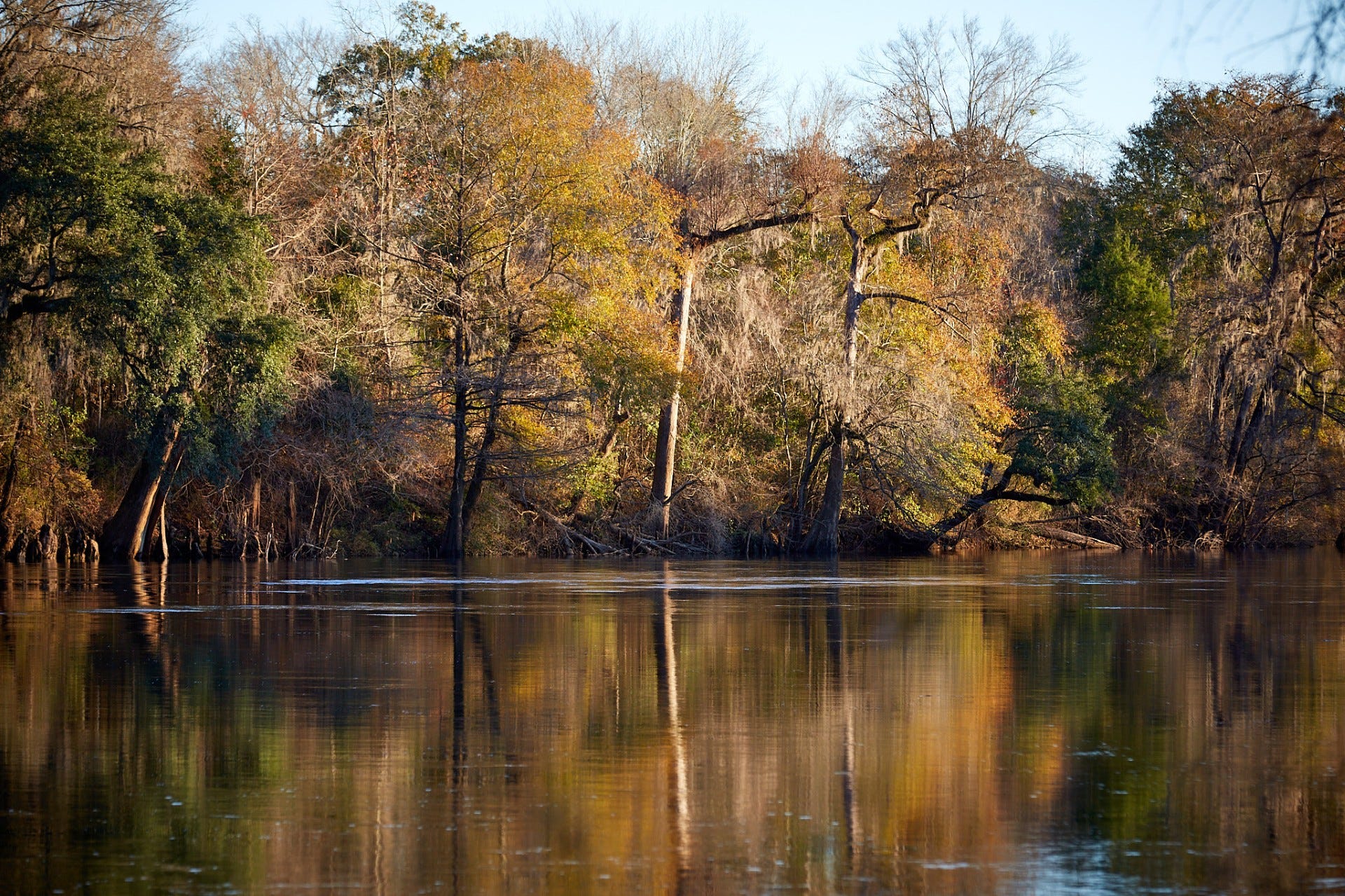
Photo courtesy of Bob “Warrior Back #48” Rhodes
Along the Flint River in 1988, the bees still knew the way. They drifted through tupelo blooms and river cane, through cotton fields and the edge of the swamp, carrying golden dust from one forgotten corner of creation to another.
Honey bees. Carpenter bees. Sweat bees. Mining bees. Tiny ministers in fur coats, pollinating a world that rarely noticed their work.
Most saints are like that. Not the ones carved in marble, or painted beneath cathedral ceilings. The real ones. The women who carried whole communities through hard years and never made it into a history book.
Women like Saint Macrina, who gathered the pieces of a broken family and held them together long after her father was in the ground. Women like Saint Monica, who prayed for decades while everyone she knew told her she was wasting her breath. Women like Saint Josephine Bakhita, who carried forgiveness into the very place where bitterness had every right to live. Women whose names have nearly blown away like chaff across a threshing floor.
Along the Flint, there was one called Mary Sweet. She was twenty-three years old. Creole by blood. Baker County by birth. By daylight she cleaned motel rooms along Highway 19. She changed the sheets, scrubbed the bathtubs, folded the towels, and listened to the worries of travelers who never once asked her name. By night she sometimes crossed the river road to a weathered juke joint sitting low beneath the cypress trees.
The place smelled of beer, cigarette smoke, fried catfish, and old regrets. Most nights the music was loud enough to drown out memory. But one August evening, just before midnight, the power flickered. The band packed up. The room groaned. Someone rolled an old keyboard onto the stage. Mary Sweet walked forward. No spotlight. No introduction. No applause. Just a tired woman who had spent all day serving strangers. She sat down and began to play an old spiritual her grandmother had taught her. The notes drifted through the room like bees crossing a summer field. Conversations stopped. Beer bottles settled onto the tables. A man who had not spoken to his son in five years lowered his head. A widow closed her eyes. An old farmhand wiped his cheeks before anyone could see. The song was not remarkable because it was perfect. It was remarkable because it was true. And truth has always outlasted performance.
When she finished, nobody clapped for a long moment. The silence itself became a prayer. Outside, the Flint River moved steadily toward the Gulf. Inside, hearts that had hardened like sunbaked Georgia clay softened just enough for grace to find a place to land. That is how God so often works. Not through kings. Not through the famous. Not through the loudest voice in the room. Through servants. Through waitresses. Through mothers. Through maids. Through forgotten saints.
The Kingdom of God spreads much the way the bees of Southwest Georgia once did. One flower at a time. One field at a time. One life touching another life. Pollination is holy work. A kind word. A prayer whispered at dawn. A casserole carried to a house after a funeral. A hymn sung in a juke joint beside the Flint River. The world does not change because of those who draw attention to themselves.
The world changes because somewhere, hidden from history, a servant of God is carrying grace from one soul to the next. Like a bee carrying pollen. Like Mary Sweet carrying a song. Like Christ carrying mercy. And most of the time, nobody notices until the flowers bloom.
From Boutwell Jones Holy Ordinary Volume 3 due to be released later this year. Volumes 1 and 2 are available via Amazon. Search Red Clay Gospel: The Holy Ordinary by Boutwell Jones